Rwanda has reached a staff-level agreement with the International Monetary Fund for a $250 million financing program, anchoring the country’s next phase of economic reforms as global pressures begin to weigh on its high-growth trajectory.
The 38-month arrangement under the Extended Credit Facility, equivalent to about SDR 185 million, now awaits approval from the IMF’s Executive Board, expected in June. Once approved, the program will provide Kigali with a critical buffer as it navigates a more complex external environment marked by geopolitical tensions, tighter financing conditions and persistent inflationary pressures.
The agreement comes at a moment of contrast for Rwanda’s economy. Output expanded by 9.4 percent in 2025, significantly outperforming expectations and reinforcing the country’s reputation as one of Africa’s fastest-growing economies. That momentum, however, is now being tested by a convergence of external shocks, including the economic fallout from the Middle East conflict, rising import costs and a gradual decline in concessional financing.
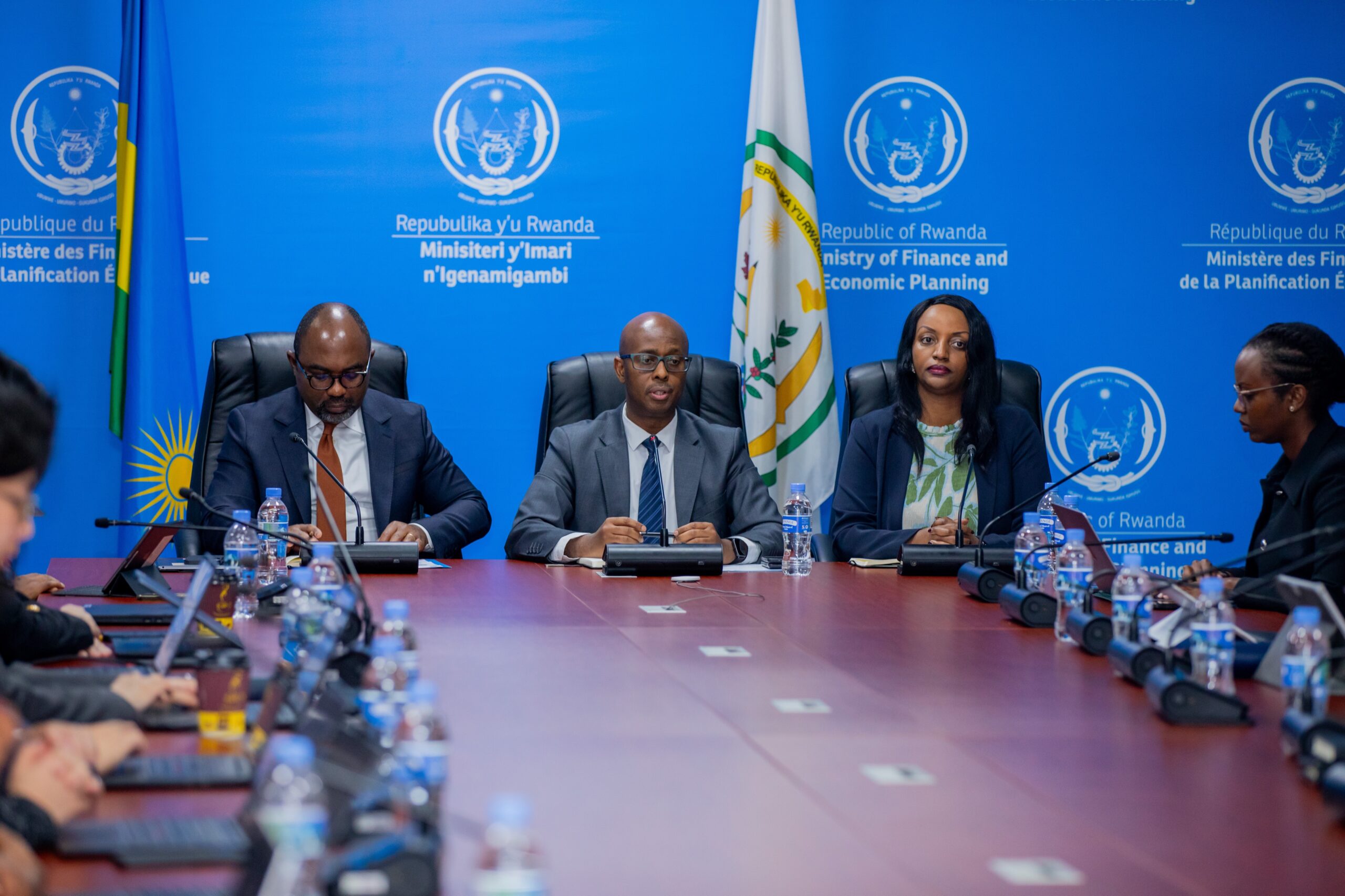
Yusuf Murangwa, Minister of Finance and Economic Planning, said the program is designed to cushion emerging pressures while sustaining long-term ambitions. “We are pleased with the progress on the ECF program, which will cushion the impact of the Gulf war and declining budget support while sustaining Rwanda’s growth, investment ambitions and structural transformation.”
Growth is projected to moderate to 6.8 percent in 2026, reflecting these headwinds. Inflation has already accelerated, reaching 9.2 percent in February, well above the central bank’s medium-term target, driven largely by higher global oil and fertilizer prices. At the same time, Rwanda’s import bill remains elevated, fueled by demand for capital goods tied to ongoing investment projects, even as export performance, particularly in coffee and minerals, has strengthened the external position.
Albert Touna Mama, IMF mission chief, signaled that resilience remains intact but increasingly tested. “Rwanda’s economy remains resilient with strong 2025 growth, but prolonged war in the Middle East and tighter financing could pressure inflation, external balance, and debt.”
The IMF-backed program is designed to help Rwanda recalibrate without derailing its development ambitions. It centers on maintaining macroeconomic stability, strengthening fiscal and debt management, and accelerating private-sector-led growth, while tightening oversight of state-owned enterprises. The approach reflects a broader shift toward safeguarding long-term sustainability as the country scales up investment in strategic sectors.
For policymakers, the challenge lies in preserving growth while rebuilding buffers that have been eroded by successive shocks and rising financing needs. Rwanda has already moved to strengthen domestic revenue through tax reforms, helping offset pressures from declining external budget support. However, continued borrowing to fund large-scale projects is expected to push up public debt and debt servicing costs, increasing the importance of fiscal discipline over the medium term.
Under the program, authorities are expected to anchor policy around a credible fiscal consolidation path, supported by the second phase of the Medium Term Revenue Strategy. Greater scrutiny of externally financed capital expenditure, alongside improved risk management frameworks, is intended to keep debt on a sustainable trajectory while protecting priority and social spending.
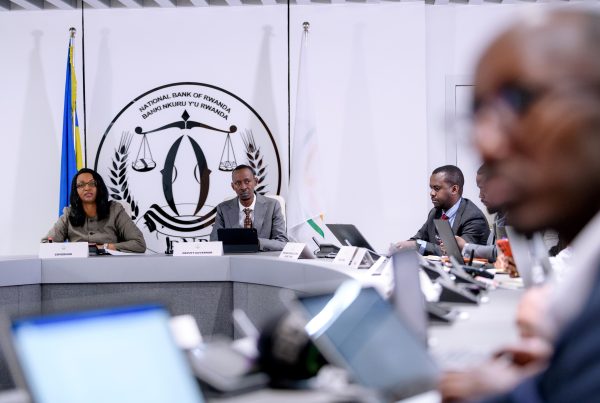
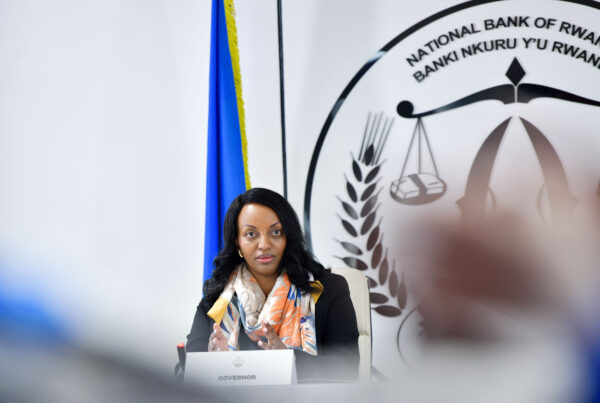
Monetary policy is set to remain tight as the National Bank of Rwanda works to steer inflation back toward its 5 percent target. A more proactive, data-driven stance, combined with increased exchange rate flexibility, is expected to enhance the economy’s ability to absorb shocks while gradually rebuilding foreign exchange reserves, which currently cover more than four months of imports.
“The Government remains committed to implementing the reforms under this program to protect Rwandans from external shocks while building a stronger, more self-reliant economy,” Murangwa added.
Despite the near-term pressures, Rwanda’s economic outlook retains elements of resilience. Strong institutional frameworks, ongoing reforms and the country’s ability to attract private investment continue to provide a foundation for recovery once global conditions stabilize. Trade flows have remained supportive, and authorities are betting that structural reforms will sustain momentum beyond the current cycle.
The IMF agreement ultimately signals a balancing act: reinforcing policy credibility while navigating a more uncertain global landscape. For Rwanda, the program is less about short-term stabilization than about recalibrating its growth model, ensuring that rapid expansion remains compatible with fiscal prudence and external stability in an increasingly volatile world.