Tanzania is emerging as a pivotal test market in the race to institutionalize Africa’s fast-growing creative economy, as regional entrepreneurs move to consolidate fragmented national industries into scalable, cross-border platforms.
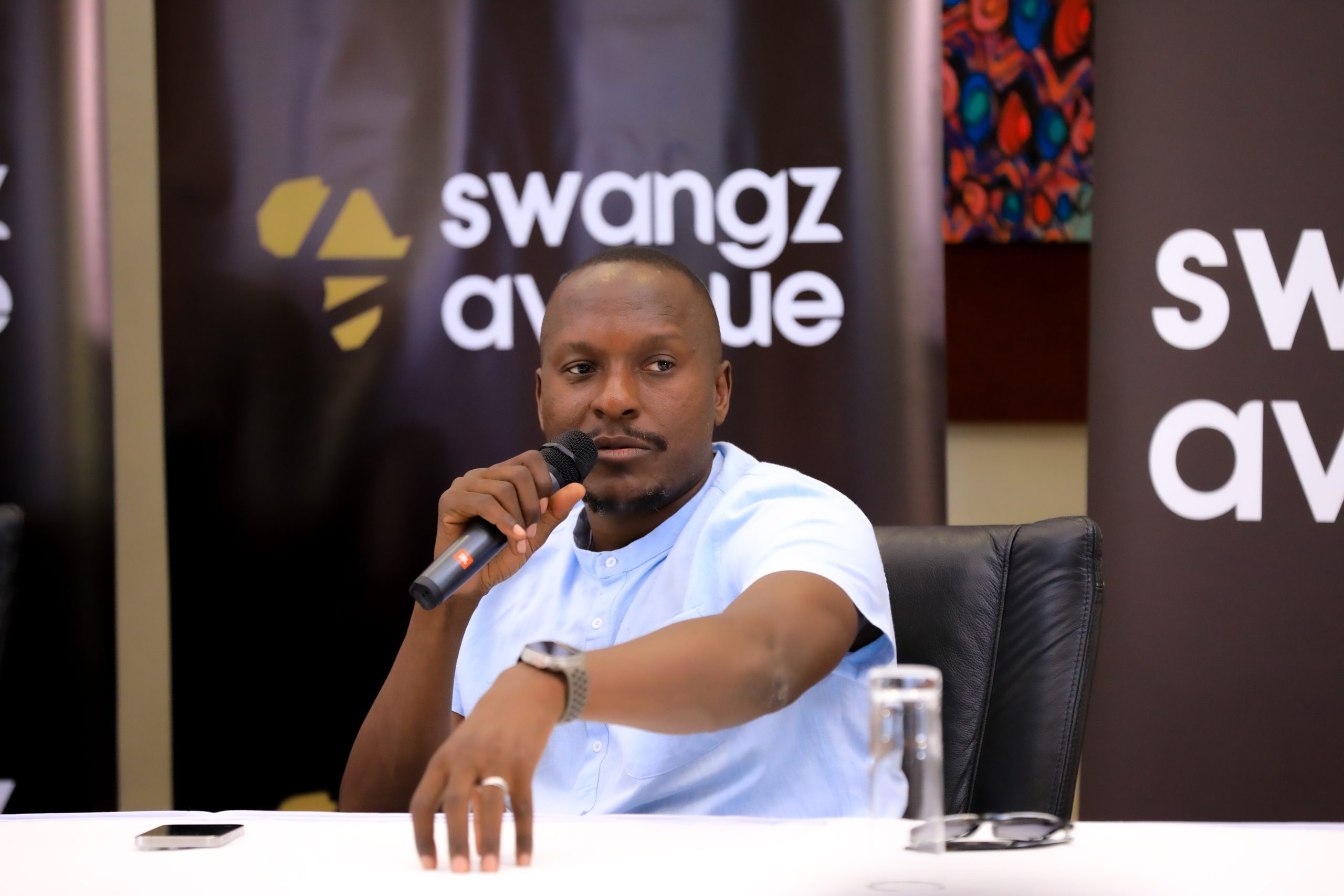
Julius Kyazze, the Ugandan founder behind Swangz Avenue and NRG Radio, this week unveiled Live54+, a pan-African creative holding company bringing together media, talent management, brand services and experiential businesses under a single structure spanning six African markets. Tanzania is central to that strategy.
The move signals a broader shift across East Africa, from personality-driven creative enterprises to coordinated, capital-backed ecosystems designed to attract multinational advertising budgets and cross-border partnerships.
Julius Kyazze is betting that Dar es Salaam’s cultural clout, long anchored by Bongo Flava’s continental reach, can evolve into a regional commercial hub if given institutional scaffolding.
Live54+ consolidates assets including Swangz Avenue, Buzz Group Africa, The Quollective and the NRG Radio network under an operating structure headquartered in Nairobi, with additional offices in Dubai and Mauritius. Active markets include Uganda, Kenya, Rwanda, Ghana, Burundi and Tanzania.
For Tanzania, the bet reflects a recalibration of regional growth logic.
The country offers demographic scale, a young and urbanizing population increasingly consuming audio-visual content via mobile and radio, but remains under-monetized relative to its cultural influence. Advertising expenditure lags Kenya’s in absolute terms, yet industry executives say growth rates are accelerating as brands pursue East African, rather than single-country, campaigns.
Historically, Tanzania’s creative industries have been fragmented; Music production, event management and content creation have often operated in silos, with limited cross-border monetization and informal business structures constraining access to larger regional brand budgets. While Tanzanian music travels easily across the region, its commercial infrastructure has struggled to follow.
Live54+ is structured to address that gap. By integrating radio distribution, experiential marketing, talent management and content production within one holding, the company creates multiple revenue streams in markets that traditionally relied on one-dimensional monetization, typically performance income or local endorsements.
The strategy reflects a broader continental consolidation trend. Across financial services, logistics and telecommunications, African firms are increasingly opting for federated holding structures that preserve local brand identity while centralizing capital, systems and client acquisition. Creative industries appear to be entering a similar phase.
The timing also aligns with the gradual operationalization of the African Continental Free Trade Area, or African Continental Free Trade Area, whose services and intellectual property protocols are expected to reduce long-standing frictions in cross-border creative trade.
Licensing disparities, payment bottlenecks and inconsistent IP enforcement have historically limited the ability of Tanzanian creatives to scale regionally. A coordinated holding structure can internalize some of that complexity, smoothing market entry across jurisdictions.
Competition remains formidable. Pan-African broadcasters such as MultiChoice maintain dominance in television distribution, while global agency networks already operate in Dar es Salaam. Live54+’s differentiation lies in founder-led businesses that retain local cultural fluency rather than being absorbed into multinational templates.
Whether Tanzania can transition from cultural exporter to value capturer will depend on execution. Aligning local talent with regional advertiser demand, navigating regulatory nuance and maintaining authenticity while scaling operations will test the model.
If successful, Tanzania may become more than a consumer market within East Africa’s creative ecosystem. It could evolve into a structural pillar, proving that African-owned creative infrastructure can compete not just artistically, but commercially, at continental scale.