Rwanda’s central bank raised its benchmark interest rate by 50 basis points to 7.25 percent, stepping up its fight against accelerating price pressures even as one of Africa’s fastest-growing economies maintains strong momentum.
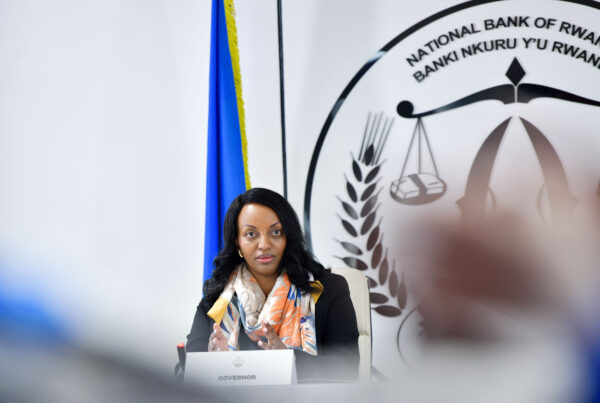
Governor Soraya Hakuziyaremye said the Monetary Policy Committee acted after revising up its inflation outlook for 2026, with headline inflation expected to remain slightly above the upper bound of the 2 percent to 8 percent target range before easing in the second half of the year. The January print stood at 8.9 percent, following 7.4 percent in the fourth quarter.
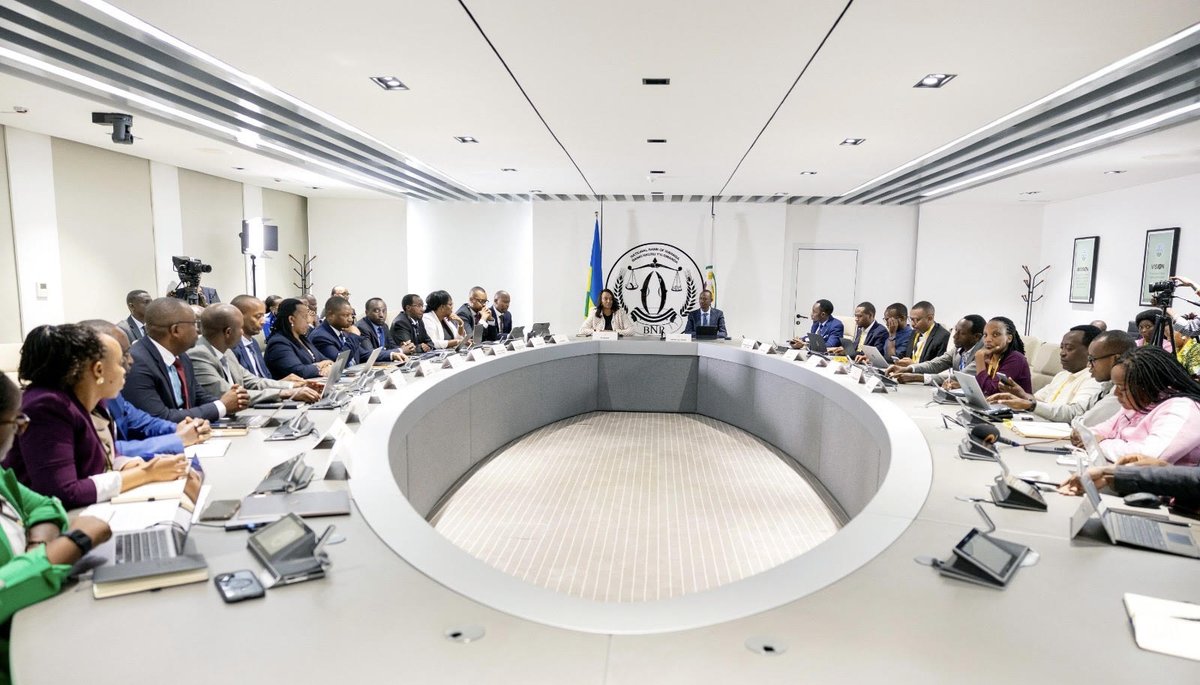
“In view of more persistent inflationary pressures and an upward revision of the inflation outlook, the Committee decided to increase the central bank rate from 6.75 percent to 7.25 percent,” Hakuziyaremye said at a quarterly briefing in Kigali. The move is a “measured step” to return inflation to target and safeguard purchasing power, she added, while signaling readiness to tighten further if risks materialize.
The decision comes against a backdrop of resilient domestic growth and a gradually stabilizing external position. Rwanda’s economy expanded by an average 8.7 percent in the first three quarters of 2025, driven by services and industry, with fourth-quarter activity indicators pointing to continued strength. That compares with 7.2 percent growth in 2024.
Exports surged nearly 30 percent in the fourth quarter, buoyed by higher revenues from coffee and minerals, while full-year export growth of 14 percent outpaced import growth of 6.9 percent. The improved trade dynamics, alongside stronger tourism receipts and remittances, helped moderate franc depreciation to 4.4 percent in 2025 from 9.4 percent a year earlier.
Still, inflation pressures have broadened. Core inflation rose to 9 percent in the fourth quarter, while energy inflation jumped to 12.4 percent, reflecting higher electricity tariffs and fuel prices. Although fresh food inflation eased late last year, weaker agricultural output and elevated administered prices, including medical and education fees, have kept overall price growth high.
The central bank now expects food inflation to stay relatively elevated through the first three quarters of 2026, with energy costs also remaining positive. Core inflation is projected to decline in the second half as domestic and imported cost pressures moderate.
Global conditions remain mixed. The bank projects global growth at 3.3 percent in 2025 and 2026, below the pre-pandemic average, while sub-Saharan Africa is seen expanding 4.4 percent this year. Energy prices are forecast to fall in 2026 before rebounding in 2027, while food prices are expected to remain broadly stable, trends that could help contain imported inflation.
Hakuziyaremye said the Committee remains alert to risks including weaker agricultural production, sustained energy cost pressures and geopolitical tensions that could disrupt trade flows. If inflation declines faster than expected, policymakers would consider easing, she said.
For now, the rate increase underscores the central bank’s priority: ensuring that inflation converges back within the 2 percent to 8 percent band while preserving the foundations of Rwanda’s high-growth trajectory.