Rwandans are increasingly confident about their financial futures, with more than three-quarters expecting higher incomes over the next year, but a widening gap between demand for credit and access to financing threatens to limit households’ ability to translate optimism into economic opportunity, according to a new TransUnion study.
The Q1 2026 TransUnion Consumer Pulse Study found that 76 percent of Rwandan consumers expect their income to increase over the next 12 months, while 16 percent anticipate their earnings will remain unchanged. The findings point to continued confidence in Rwanda’s economic trajectory as the country advances its digital transformation and expands participation in formal financial services.
However, despite the positive outlook, consumers are signaling a growing need for financial products that can support entrepreneurship, education, asset ownership and long-term financial resilience.
Nearly all respondents, or 98 percent, said access to credit and lending products is important to achieving their financial goals, yet only 42 percent believe they currently have sufficient access to the financing they need.
The gap highlights a key challenge for Rwanda’s financial sector: moving beyond expanding basic financial access toward ensuring consumers and businesses can access suitable, affordable and responsible credit solutions.
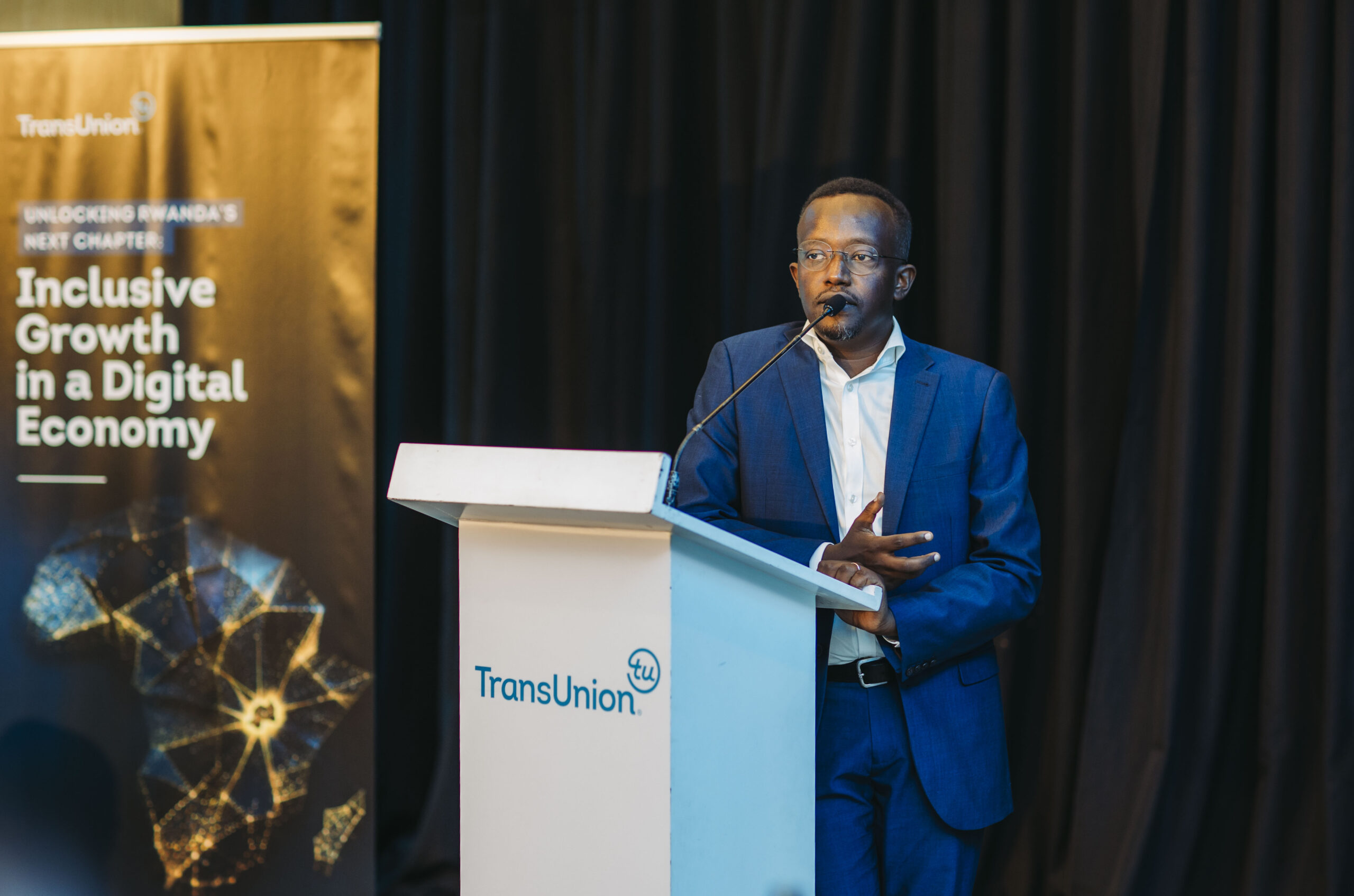
“Financial inclusion is not a single milestone. It is a journey. The next step is helping more consumers move from basic financial access to the products and opportunities that support entrepreneurship, asset ownership and long-term financial resilience,” said Didier Mutabazi, Chief Executive Officer of TransUnion Rwanda.
The findings come as Rwanda continues to strengthen its position as one of Africa’s leading digital economies, supported by rising mobile money adoption, increased use of digital services and efforts to expand access to formal financial services.
Personal loans and student loans ranked among the most sought-after credit products, reflecting demand for financing that can support both immediate household needs and future economic advancement.
At the same time, households remain cautious as they navigate financial pressures. Half of respondents said they expect to be unable to fully pay at least one current bill or loan obligation, with many planning to manage the pressure through partial payments, savings or additional income-generating activities.
The survey also showed that 34 percent of consumers have reduced discretionary spending in recent months, suggesting households are adjusting their budgets while remaining engaged in Rwanda’s increasingly digital economy.
Rather than signaling declining confidence, TransUnion said these trends reflect resilience and more deliberate financial decision-making as consumers balance current pressures with future aspirations.
“Rwanda has made remarkable progress in expanding financial inclusion and digital participation,” Mutabazi said. “The next step is ensuring that more consumers can move from access to meaningful financial empowerment.”
The study suggests that improving access to credit will require stronger use of trusted data, greater financial visibility for consumers and products designed around the realities of households and entrepreneurs.
“Consumers understand the value of credit and are actively looking for ways to improve their financial futures,” Mutabazi said. “This creates a new agenda for the ecosystem, one focused on improving credit visibility, strengthening digital trust, enabling smarter decision-making and building the partnerships required to scale inclusive growth responsibly.”
As Rwanda’s economy becomes increasingly technology-driven, the ability to expand responsible lending could determine whether financial inclusion delivers broader economic participation. The challenge ahead is not only connecting more people to financial services, but ensuring those services provide the tools needed to invest, grow and build resilience.
“Trust is a fundamental part of a healthy and inclusive financial ecosystem,” Mutabazi said. “As digital participation grows, consumers, businesses and institutions must continue working together to strengthen confidence, reduce friction and ensure people can engage safely in the digital economy.”
The TransUnion Rwanda Consumer Pulse Survey was conducted between February 10 and March 9, 2026, among 259 adults aged 18 years and above.