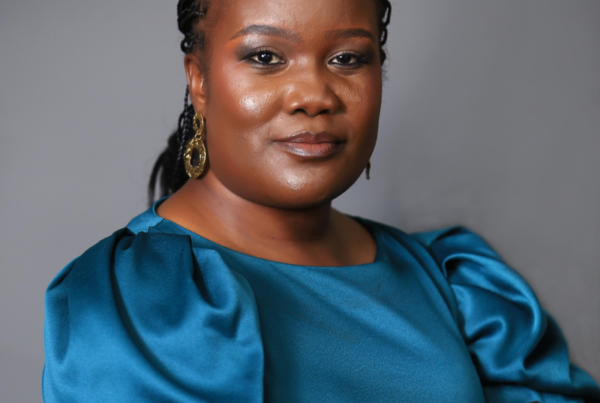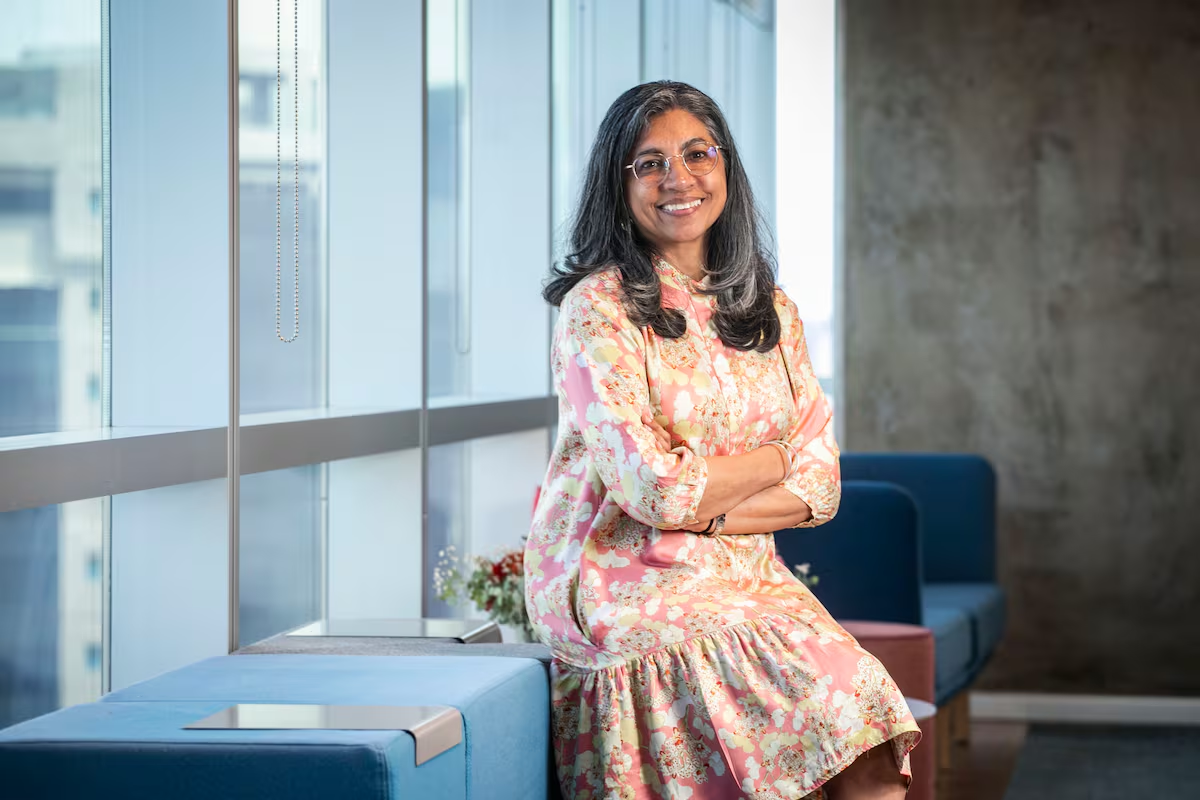
The growing influence of money in African politics is eroding democratic institutions, excluding marginalized groups from political participation and threatening decades of democratic progress, Open Society Foundations President Binaifer Nowrojee said in a prerecorded video address to delegates attending a high-level regional convening on the financialization of politics in Africa.
Addressing policymakers, anti-corruption agencies, civil society organizations and regional institutions gathered in Accra, Nowrojee said the continent’s democratic challenge has shifted beyond constitutions and elections to the increasingly powerful role of money in shaping political competition and public policy.
“Democracy rests on a simple promise that every citizen’s voice matters. And yet when money is hidden, unregulated or concentrated in the hands of a few, that promise begins to erode,” she said. “Political competition becomes less about ideas and public service, and democracy risks serving private interests rather than the public good.”
Nowrojee said rising campaign costs across countries including Nigeria, Kenya, South Africa, Ghana and Zimbabwe are making political participation increasingly inaccessible, particularly for women, young people and citizens without access to wealthy financial networks. She warned that opaque political financing extends beyond elections by influencing policymaking, weakening public trust and exposing democratic institutions to illicit and foreign financial interests.
Her remarks came as African governments, the African Union Advisory Board Against Corruption, the Pan-African Parliament, researchers and civil society groups intensify efforts to establish stronger standards for political finance transparency. The gathering in Accra is examining reforms ranging from mandatory disclosure of political funding and stronger oversight to safeguards against illicit financial influence as part of a broader push to strengthen democratic governance across the continent.
While acknowledging the scale of the challenge, Nowrojee pointed to growing international and continental momentum for reform, citing recently adopted global standards on political finance transparency under the United Nations Convention Against Corruption and ongoing work toward an African Union model law on political financing.
“Our goal is not simply to regulate money. Our goal is to strengthen the social contract between government and citizen, to ensure that political leadership is earned through public trust, not purchased through private wealth,” she said, calling for governments, political parties, electoral commissions, anti-corruption agencies, media, researchers and civil society to work together to protect democratic accountability.