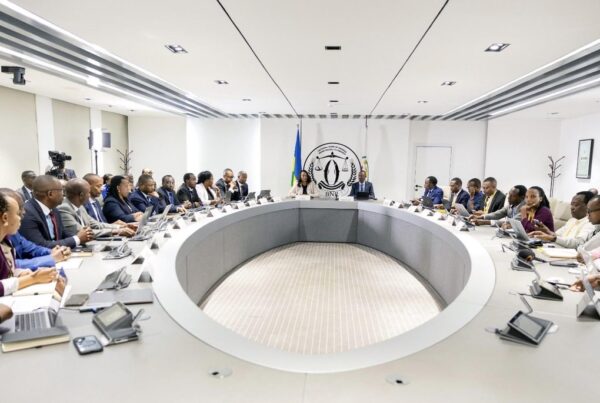
The East African Community convened senior officials and business leaders in Kigali to confront a stubborn reality: despite years of integration efforts, trade among its eight member states remains stuck at about 15 percent of total commerce, far below its estimated potential.
The two-day high-level dialogue, held in Rwanda’s capital, marks a renewed push to shift the bloc’s focus from drafting agreements to enforcing them. Officials acknowledged that the main obstacles to deeper integration are no longer legal frameworks, but inconsistent implementation, weak coordination and persistent non-tariff barriers.
Regional trade within the bloc has more than doubled to $15.25 billion in 2024 from $6.42 billion in 2016, according to Secretary General Veronica Nduva, reflecting annual growth of about 11 percent to 12 percent. Yet intra-EAC trade accounts for just over 12 percent of total exports, underscoring the region’s continued reliance on external markets.
A central focus of the talks is the continued prevalence of non-tariff barriers, including discriminatory domestic taxes, duplicative inspections and inconsistent application of rules of origin. Ministers also highlighted high transport and logistics costs, incomplete digital integration and uneven implementation of One-Stop Border Posts and the Single Customs Territory, all of which contribute to border delays and higher transaction costs.
Rwanda’s Trade Minister Prudence Sebahizi said the meeting is intended to generate practical, actionable measures to accelerate the operationalization of the Customs Union and Common Market. Minister of State for EAC Affairs Yusta Kayitesi warned that unresolved barriers undermine private-sector confidence and the bloc’s credibility as a rules-based market.
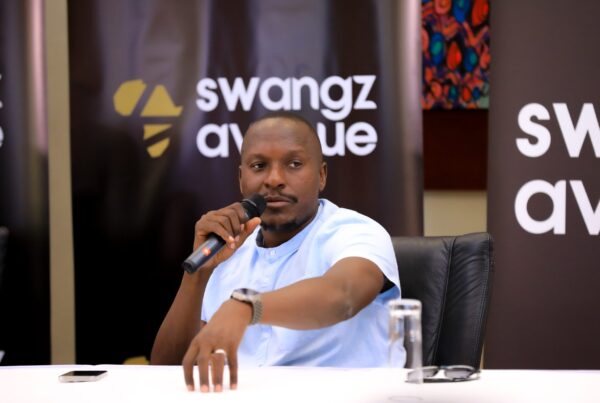
Council Chair Beatrice Askul Moe called for simpler and more predictable trade processes, urging partner states to reduce clearance times and ease the movement of goods. From the private sector, East African Business Council Vice Chair Denis Karera pressed for a time-bound scorecard to track implementation and translate policy commitments into measurable trade gains.
The dialogue comes as the bloc seeks to unlock an estimated 30 percent to 50 percent intra-regional trade potential by addressing operational bottlenecks rather than negotiating new agreements.
Recommendations from the meeting will be forwarded to the Council and Summit, with officials signaling that enforcement, accountability and coordinated action, rather than additional protocols, will determine whether the EAC can transform its single market ambitions into tangible economic gains.