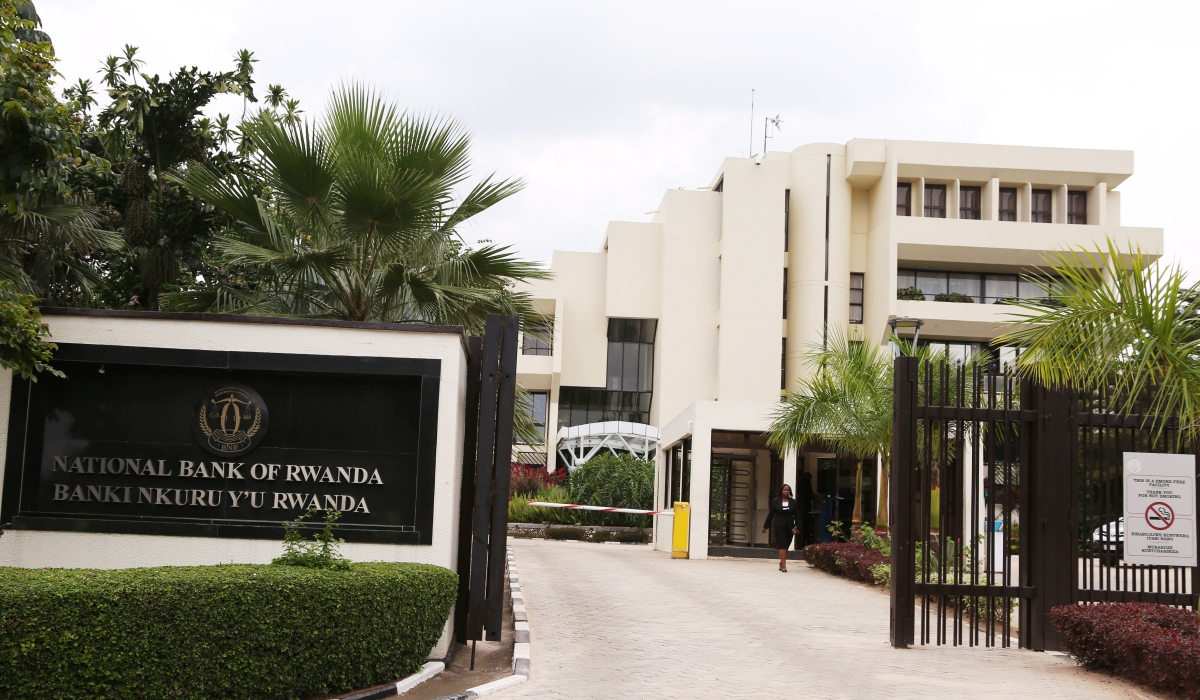
Rwanda’s financial sector expanded at its fastest pace in years, with total assets climbing 24 percent to Rwf15.9 trillion in 2025, as robust credit growth and rising savings reinforced the industry’s resilience despite global economic uncertainty.
The Financial Stability Committee concluded that the system remains “sound, resilient and well positioned to support the economy,” citing strong capital buffers, ample liquidity and improving asset quality across banks, insurers and pension funds, Governor Soraya Hakuziyaremye said.
Outstanding loans across banks, microfinance institutions and other lenders rose 25 percent to Rwf6 trillion, reflecting solid demand from households and businesses in an economy that has been expanding above 8 percent. Banks account for 87 percent of total credit, with lending concentrated in trade, construction, personal loans and manufacturing, which together represent 70 percent of portfolios.
While credit quality improved, non-performing loans stood at 2.5 percent in both banks and microfinance institutions; policymakers signaled growing attention to sectoral imbalances.
Agricultural lending by banks remains low at 1.3 percent of total portfolios, even after doubling from a year earlier, though microfinance institutions allocate 15.5 percent of their loans to the sector. The committee said it will fast-track an assessment of constraints to financing agriculture and other strategic industries to better align credit flows with national development goals.
Capital buffers strengthened further. The banking sector’s capital adequacy ratio rose to 21.9 percent, well above regulatory minimums, while microfinance institutions held 23.8 percent. Insurance companies’ solvency ratio climbed to 306 percent, bolstered by lower premium receivables and stronger investment income. Pension assets also surged, with public fund contributions more than doubling following higher mandatory rates and private schemes posting steady gains.
Liquidity levels remained comfortable, with banks’ liquidity coverage ratio at 358 percent, largely supported by holdings of government securities. Even excluding those assets, liquidity conditions were described as moderate but sufficient to meet obligations.
Profitability across the system stayed positive. Banks continued to post double-digit returns on equity despite slower growth in interest income and rising overhead costs. Insurers lifted returns to 21 percent on stronger investment earnings, while microfinance institutions saw margins ease as capital bases expanded.
Digital finance provided another tailwind. The value of electronic payments rose to 336 percent of gross domestic product in 2025 from 302 percent a year earlier, while retail transaction values jumped to Rwf77 trillion from Rwf50 trillion, reflecting growing adoption of cashless channels and stable payment infrastructure.
Looking ahead, the central bank said it will closely monitor credit concentration risks, loan-pricing models, insurance premium receivables and emerging threats such as cyber risks and virtual assets. Consumer protection concerns will also remain under scrutiny, with officials warning that unresolved complaints could undermine confidence.